
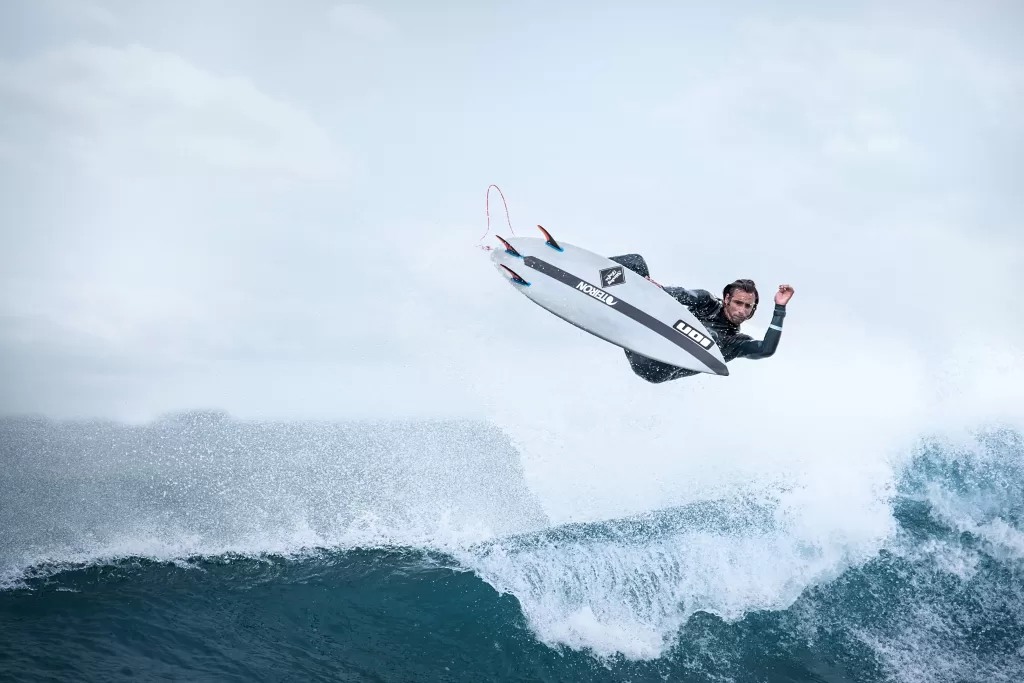
Shutter speed is essential! It dictates how long your camera captures light. Use a fast speed to freeze action (sharp photos) or a slow speed to create motion blur (artistic effect). That’s the core idea.
What is shutter speed?
Shutter speed is the length of time the camera shutter is open. In an interchangeable-lens camera, the image sensor receives light and records an image only during this time. Shutter speed is expressed as an integer or fraction, such as “30 seconds,” “1 second,” “1/60 seconds,” “1/125 seconds,” or “1/1000 seconds.” The larger the number in the denominator, the shorter the shutter is open, and the “faster” the shutter speed is. For example, 1/1000 seconds is a much faster shutter speed than 1/60 seconds.
Relationship between shutter speed and exposure
Light hitting the image sensor of a camera is called exposure, and it refers to the amount of light the sensor receives. The brightness of the photo is determined as a result of exposure, and exposure is controlled by three factors: “F-number (aperture value)”, “shutter speed”, and “ISO sensitivity”.
If the shutter speed is fast, the time the sensor receives light is short, so the photo tends to be dark. On the other hand, if the shutter speed is slow, the exposure is large and the photo is brighter.
Therefore, for example, if you want to freeze the movement of the subject by using a fast shutter speed, you need to adjust the brightness to the appropriate level by reducing the F-number or increasing the ISO sensitivity.
What is shutter speed priority mode?
Shutter Speed Priority mode (S or Tv) lets you choose the shutter speed, and the camera automatically sets the aperture (F-number) and ISO for correct exposure. This is ideal for quickly shooting fast subjects (like sports or birds) because it ensures you use a fast shutter speed to prevent blur and get clear photos.
Characteristics of fast shutter speeds

Fast shutter speeds (like 1/500s or 1/1000s) are excellent for freezing motion, making them ideal for sharply capturing quick subjects such as sports action, splashes of water, or flying birds. Speeds of 1/1000s or faster can freeze moments too quick for the eye to see. However, because less light hits the sensor at these speeds, you must be careful when shooting in dark areas, as it can easily lead to underexposure (too dark a photo).
Characteristics of slow shutter speeds
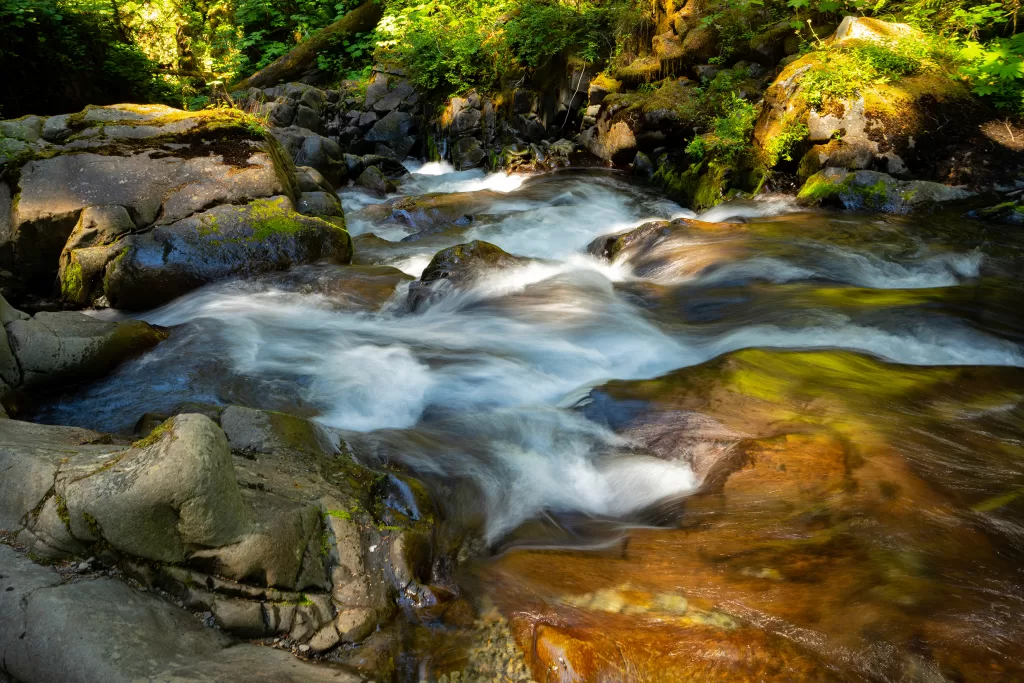
A slow shutter speed (slow shutter) is a shooting method in which the shutter is left open for a long period of time, such as 1 second or 10 seconds. By opening the shutter for a long time, sufficient exposure can be ensured, making it suitable for shooting in low-light environments such as night scenes, starry skies, and dark rooms.
It can also be used as a creative expression method, for example, to express the flow of a waterfall as silk or to draw the light trails of car taillights. However, opening the shutter for a long time makes it more likely to cause camera shake and subject blur, so it is basically essential to use a tripod.
Guideline for shutter speed to reduce camera shake
A common rule of thumb for avoiding camera shake when shooting handheld is the 1/focal length formula. This suggests setting your minimum shutter speed to the reciprocal of your lens’s focal length (e.g., 1/50s for a 50mm lens, 1/200s for a 200mm lens). While this serves as a basic guideline, the actual necessary shutter speed depends on the shooting environment and subject; therefore, test shots are recommended. For dark settings or when using intentionally slow shutter speeds, always use a tripod to eliminate blur.
Guidelines for shutter speeds by scene
Shutter speed settings are highly dependent on your subject, the available light, and the creative effect you want. The following sections will introduce specific examples for typical shooting scenes. Remember, these numbers are just guidelines, so use them as a helpful starting point when adjusting your camera’s settings.
Sports Day
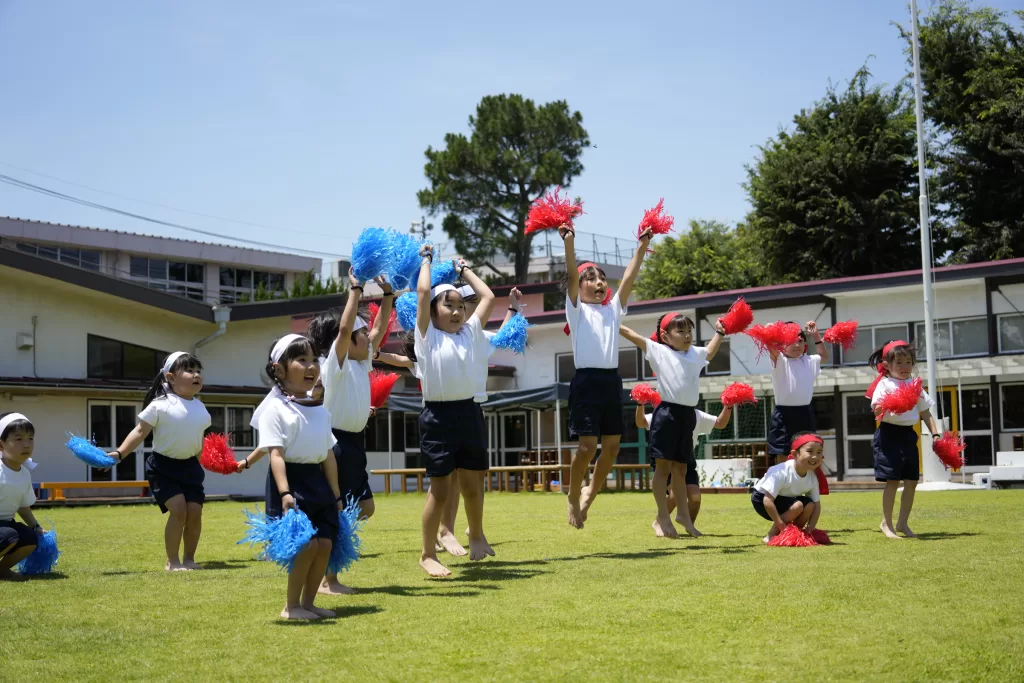
Sports Day is a time to capture children’s lively expressions and dynamic movements. To capture the moment they run or jump without blur, set a fast shutter speed of about 1/500 to 1/1000 seconds.
On the other hand, if you are aiming for a more realistic photo, panning is also effective. By shooting while following the subject, you can make the background flow and create a sense of dynamism. In this case, a shutter speed of about 1/60 to 1/125 seconds is appropriate.
Portrait
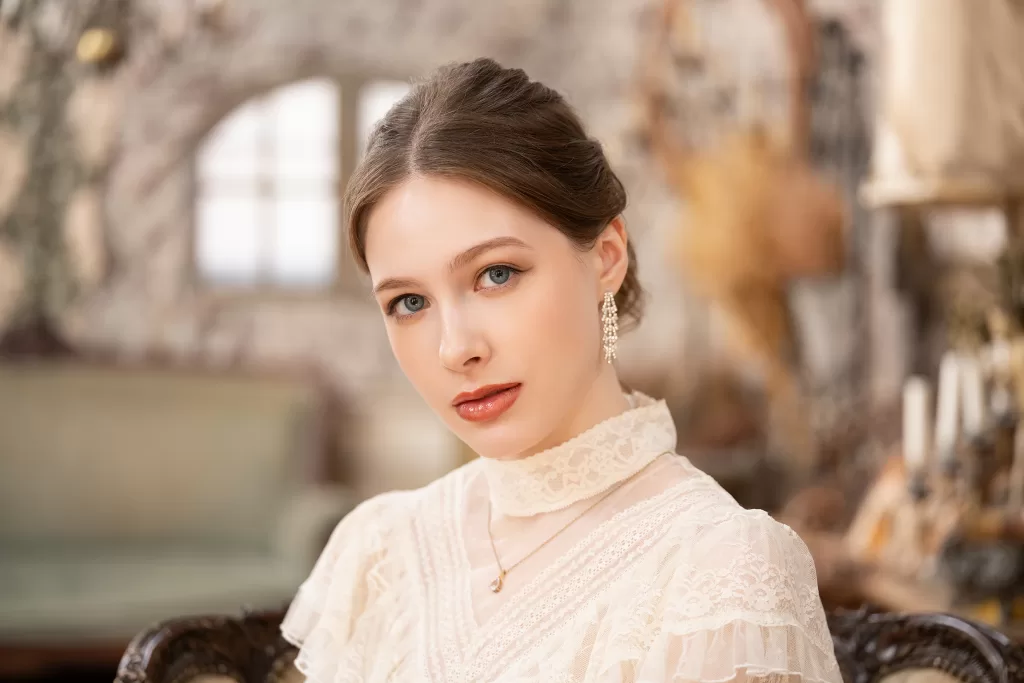
For standard portrait photos, a guideline shutter speed is typically between 1/60s and 1/125s; this range helps capture expressions and gestures sharply without blur. If your subject is actively moving, such as in a windy setting or while walking, you should increase the speed to around 1/250s. When shooting in low light (indoors or in shade), however, you may need to use a slower shutter speed or increase the ISO sensitivity to achieve natural exposure and brightness.
Night Scenery
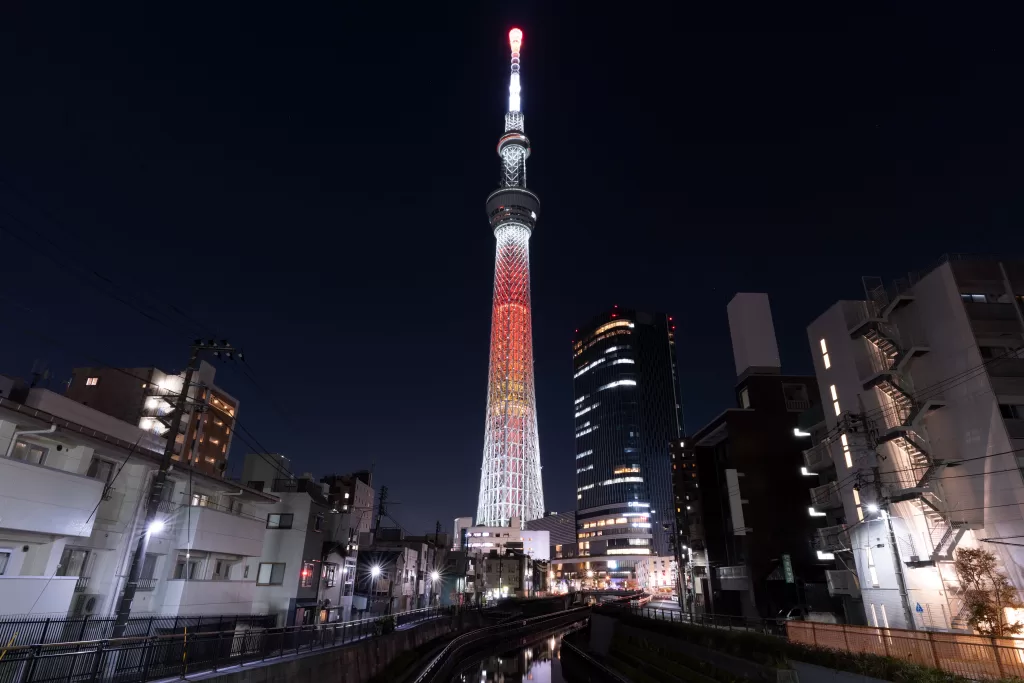
For shooting beautiful night scenes, long exposures (a few seconds up to 30 seconds) are essential to capture rich light and gradations; this requires using a tripod. If a tripod isn’t possible (e.g., at crowded tourist spots), you must shoot handheld. In that case, guide your shutter speed to a faster setting, about 1/15s to 1/60s, and compensate for the lack of light by increasing the ISO sensitivity to get proper exposure while minimizing camera shake.
Wild Birds
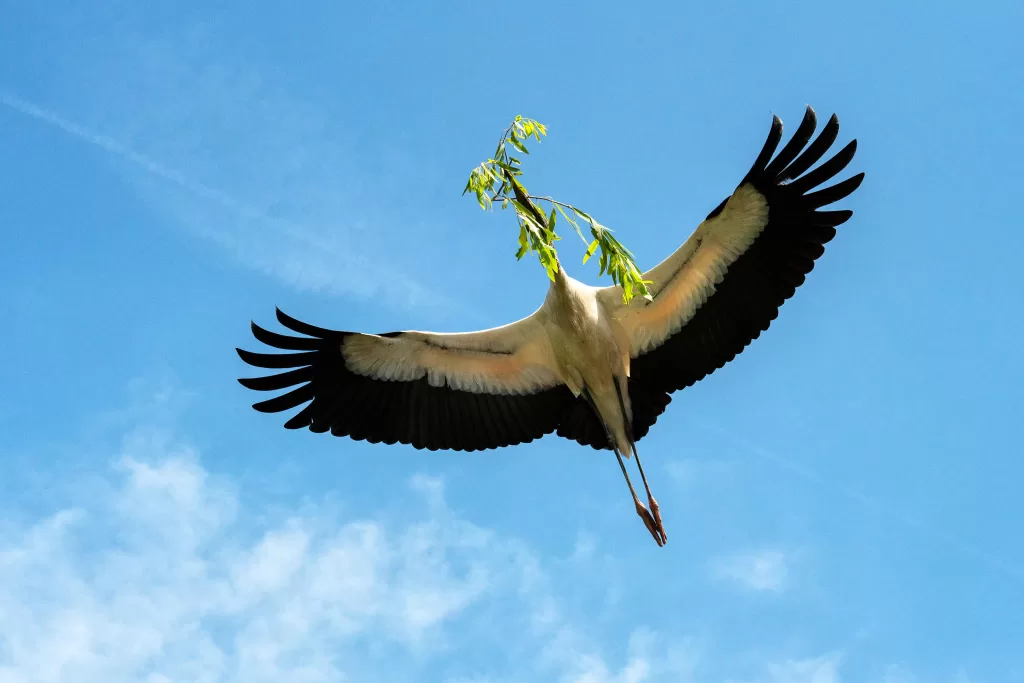
When photographing wild birds, the ideal shutter speed depends on the action. For a bird perched on a branch, use a standard speed of 1/250s to 1/500s. To freeze the wing-flaps of a bird in flight, however, you’ll need a much faster speed, typically 1/1000s to 1/2000s or more. Since light is often weak during peak activity times (morning/evening), you’ll need to increase the ISO sensitivity for proper exposure, but remember this may introduce image noise.
Sports

When photographing sports, the goal is to capture crucial moments and player intensity. For fast-paced games like basketball or tennis, a fast shutter speed of 1/1000s or more is standard to freeze the action; try 1/2000s or faster to sharply stop the ball or clear expressions. Alternatively, you can use panning shots to convey dynamism: set the speed to around 1/125s to 1/250s and move the camera with the subject to achieve a sharp player against a blurred background. The ideal speed always depends on the sport and your desired effect.
Starry Sky
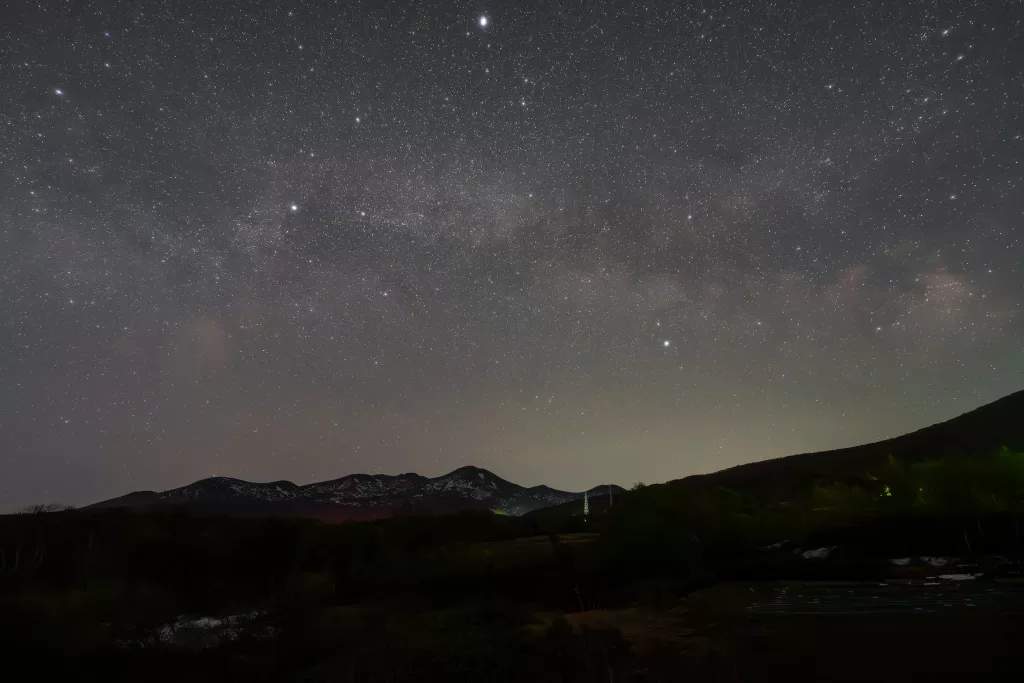
To photograph a starry sky, a tripod is essential. For capturing stars as points, a standard exposure time with optical lenses is about 10 to 30 seconds; going longer causes stars to blur into lines due to Earth’s rotation. Conversely, to intentionally capture star trails, you need a very long exposure of 15 minutes to several hours, often using synthesis techniques. For relatively bright celestial bodies like the Moon, a much faster shutter speed of about 1/125s usually provides sufficient brightness.
Waterfall
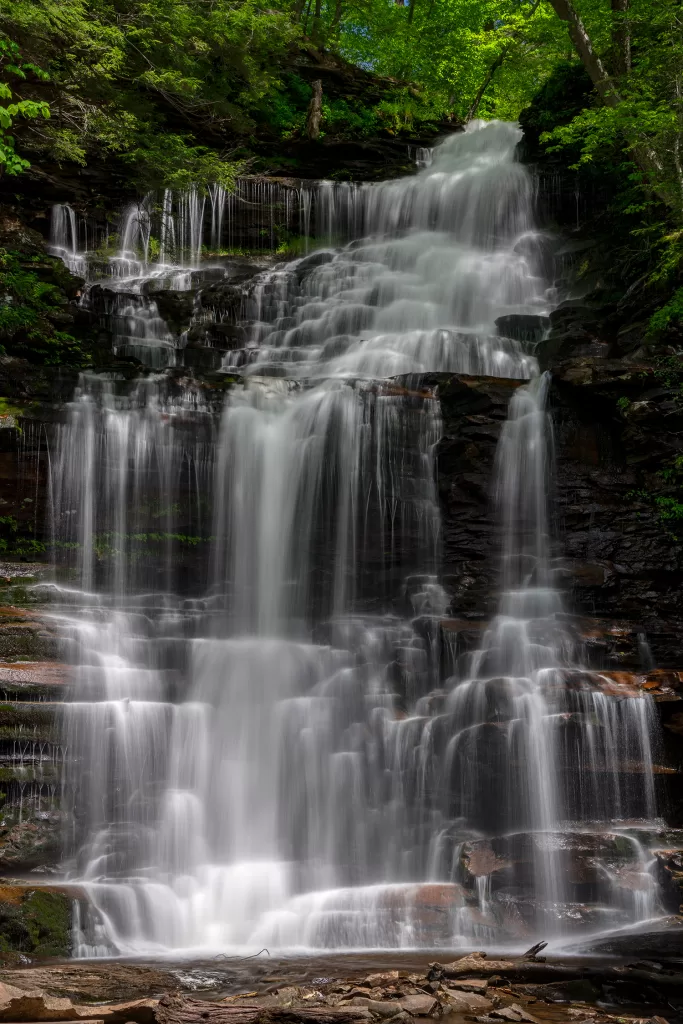
When shooting a waterfall, your desired effect determines the shutter speed. To freeze the spray and detail, use a fast shutter speed like 1/500s or faster. Conversely, to create a smooth, silky flow effect, use a slow shutter speed of 1/2s or slower. Note that using a slow speed on a sunny day can cause overexposure, so an ND filter (neutral density filter) is often necessary to darken the image.
Panning Shot
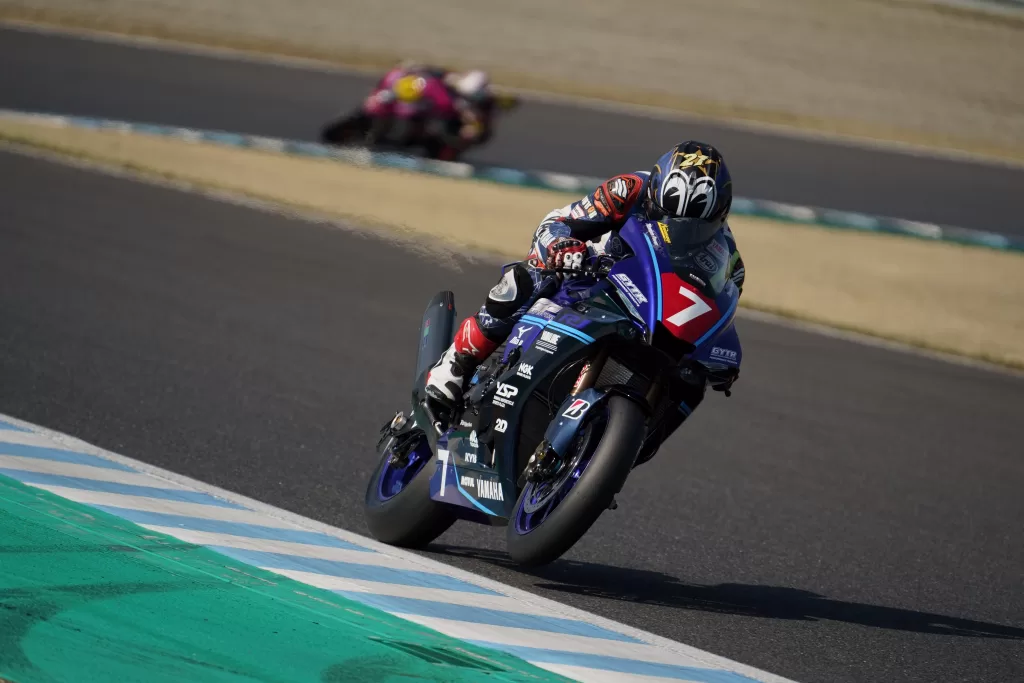
Panning shots are a technique that expresses movement by moving the camera to track the subject, blurring the background while keeping the subject relatively sharp. The ideal shutter speed depends on the subject’s speed: use around 1/30s for pedestrians, 1/60s for runners or cyclists, and a faster 1/125s to 1/250s for cars or trains. Since panning requires practice, it’s best to start with a slower shutter speed and gradually challenge yourself with faster subjects.
Light trails
To capture the cool effect of light trails, such as those from moving cars, a long exposure of approximately 10 to 30 seconds is typically used (start around 15 seconds, adjusting for traffic). For a more striking image, especially with cars, use rear curtain sync, which fires the flash just before the shutter closes; this sharply captures the car body while naturally tracing the light trails along the direction of travel. Another subject is fireworks, which require a shorter exposure of 4 to 8 seconds to capture the full sequence of the bloom. In all light trail photography, a tripod is essential, and using a self-timer or remote shutter is highly recommended to prevent camera shake.
Video Shooting
When shooting video, a shutter speed of 1/50 to 1/60 seconds is the standard. This is because this shutter speed can express natural movements when the frame rate is set to 24fps or 30fps, which are common for video shooting.
Please note that by choosing a shutter speed that is a multiple of 50, such as 1/50 or 1/100 seconds in eastern Japan (50Hz areas), or a multiple of 60, such as 1/60 or 1/120 seconds in western Japan (60Hz areas), you can reduce flicker (screen flicker) caused by artificial light sources such as fluorescent lights.
Take beautiful photos with the optimal shutter speed
Shutter speed is a vital factor in photography, influencing both correct exposure and creative expression. Start by using basic guideline speeds, and once you are comfortable, experiment with intentionally changing the speed for artistic effects. By continuously practicing and photographing different subjects, you will naturally develop a strong sense for the right shutter speed.
 ភាសាខ្មែរ
  English