
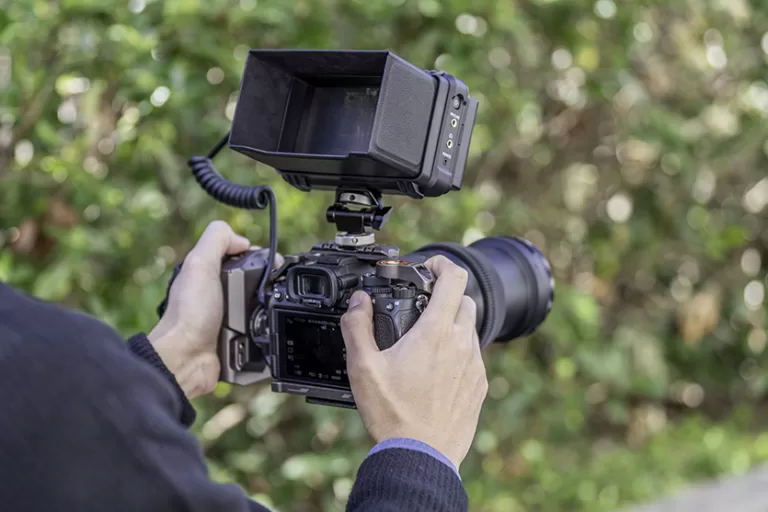
One of the great things about vlogging is how easy it is to get started, no special equipment needed. Using a smartphone or similar device is a great way to begin filming casually. However, if you’re ready to take things more seriously with an interchangeable-lens camera, here are some key tips to keep in mind.
Prepare the shooting equipment
Vlogging equipment can vary widely and may seem complex, but there’s no need to get everything all at once. It’s best to start with the essentials, a basic camera and microphone and gradually add more gear as your style and needs evolve.
For instance, if you’re creating cooking vlogs, a sturdy tripod for stable shots is a priority. On the other hand, if you’re filming travel vlogs, a lightweight, portable camera will be more practical.
Camera
There are three main types of cameras often used for vlogging:
-
Smartphones are the most convenient, offering great image quality and easy editing. They’re perfect for beginners looking to start with minimal cost.
-
Interchangeable-lens cameras give more control and higher video quality, ideal for effects like background blur and low-light shooting.
-
Action cameras like GoPro are compact, durable, and waterproof, great for travel and active, outdoor vlogs.
Microphone
Audio quality is often overlooked by beginners, but it’s even more noticeable than video quality.
An external microphone can greatly improve sound, even a basic one. For clearer, focused audio, a lapel mic is a good upgrade, though starting simple is fine.
Directional mics are also effective, capturing sound from one direction while reducing background noise for a cleaner, more professional result.
Lens
Choosing the right lens is key when using an interchangeable-lens camera.
A wide-angle lens (35mm or less) is ideal for selfies, indoor shots, and travel scenes, capturing both you and the background. A standard lens (around 50mm) provides a natural, versatile look for everyday filming.
For travel, a compact all-in-one zoom lens is convenient, covering wide to telephoto without needing to switch lenses. A low F-number also helps in low light and creates cinematic background blur.
Tripod or gimbal
To keep your shots stable, consider using key accessories. A tripod is essential for selfies and fixed shots mini or grip-style tripods are especially handy for smartphones, perfect for tabletop filming or scenic shots.
For smooth footage while walking, a gimbal helps reduce camera shake, making your videos look more professional ideal for travel and daily vlogs where you’re often on the move.
Light
Good lighting can greatly enhance video quality. Small LED lights are helpful in low-light settings and come in various types, some mount on cameras, others on stands making them ideal for indoor or nighttime shoots.
Ring lights provide even lighting on the face, perfect for selfies or beauty vlogs, adding a natural glow and a bright, lively expression.
Don’t forget natural light filming near a window gives your video a soft, warm look and adds emotional depth.
While having the right equipment helps, the key is to just start filming. Try creating a short one-minute video to go through the full process of shooting, editing, and publishing.
Start with a topic you enjoy or know well; it boosts confidence, keeps you motivated, and makes the filming process more fun.
 ភាសាខ្មែរ
  English